
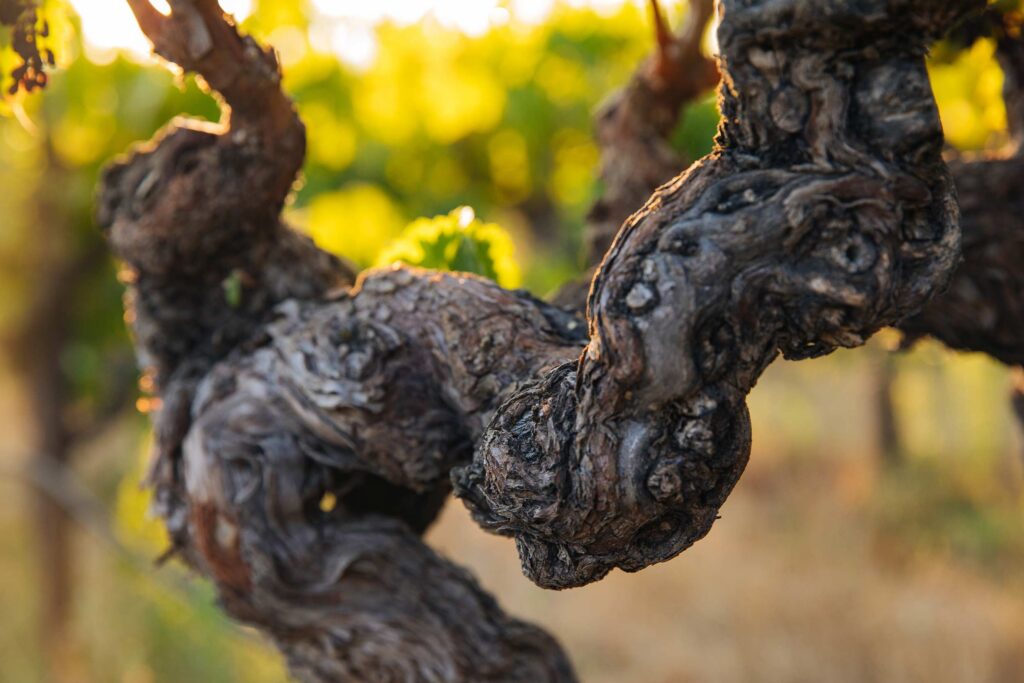
Seghesio Family Vineyards planted its first Zinfandel vines at Home Ranch in Alexander Valley in 1895, and we still farm a number of those original founding blocks. We are deeply committed to the stewardship and preservation of old vines, which we define as a minimum of 50 years old. Five of the sites in this register were planted in 1926 or earlier.
This is a site-by-site record of the heritage vineyards behind our wines: where each one is, when it was planted, what grows there, the soils, who farms it, and the wine it makes. Ages in this post are calculated for 2026.
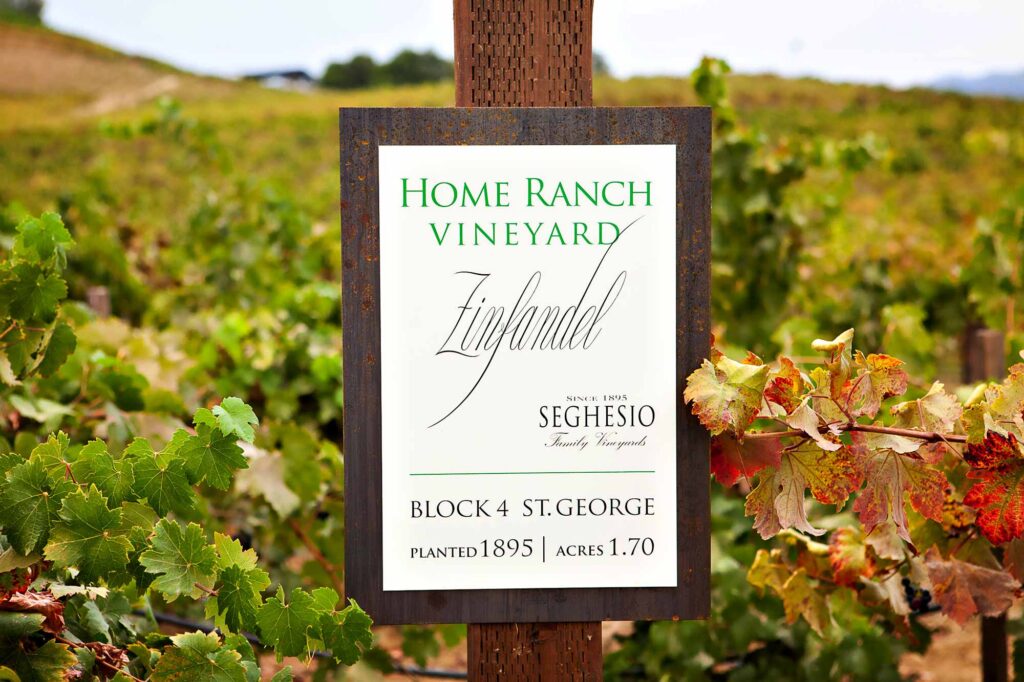
Our founders planted the first Zinfandel vines at Home Ranch in Alexander Valley in 1895. It is hard to imagine they could have foreseen that, more than 130 years later, we would still be producing one of our most treasured wines from those very same vines. The vineyard has only 8 to 16 inches of topsoil over clay soils with varying layers of basalt, sandstone, and volcanic rock, so the vines have a difficult time surviving and yield fruit of great intensity and complexity. Alexander Valley is characterized by warm days tempered by cooling afternoon breezes.
The Home Ranch estate covers 130 acres (60% Zinfandel, 20% Sangiovese, 15% Petite Sirah, 5% Barbera).
Home Ranch Estate Vineyard, Alexander Valley. Zinfandel founding blocks planted 1895. Farmed by the Seghesio family. Wine: Home Ranch Zinfandel.
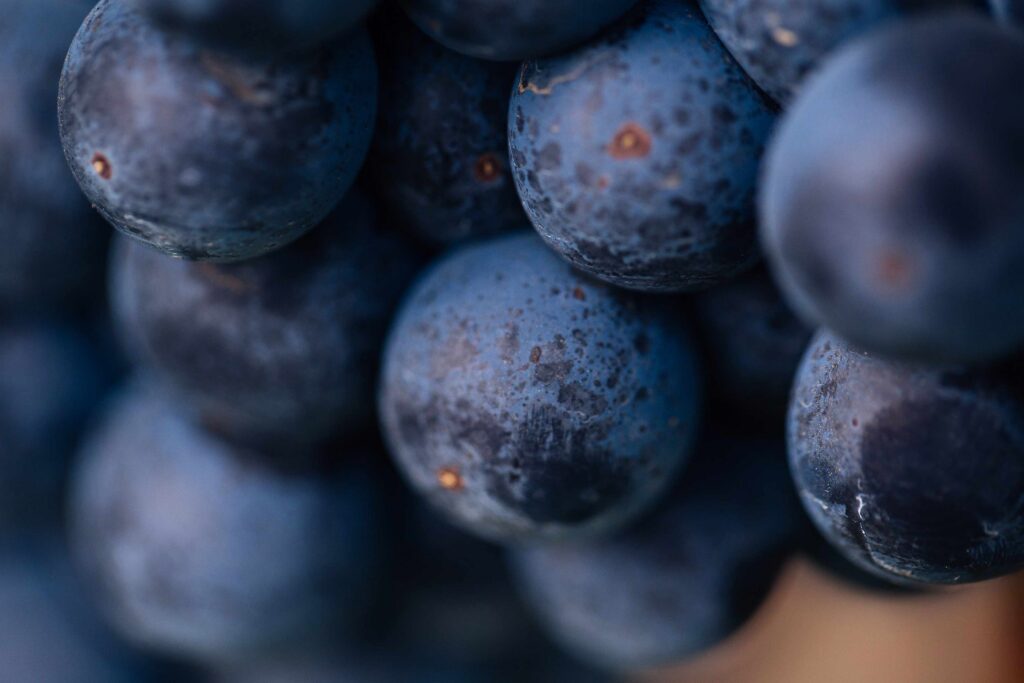
Planted in 1910, Chianti Station Vineyard is home to the oldest Sangiovese vines in North America. These ancient Sangiovese vines grow on 1.5 acres, planted along with small quantities of Canaiolo Nero, Malvasia, and Trebbiano in the style of a traditional Tuscan field blend. These Sangiovese vines represent an heirloom clone that has otherwise gone extinct and cannot be found anywhere else in the world.
The vineyard is named after a small railway station that once operated nearby and served as a vital hub for the Sonoma wine industry in the early 20th century. Chianti Station is our smallest production wine, a living link to our history and that of winemaking in Sonoma County.
Chianti Station Estate Vineyard, Alexander Valley. Sangiovese field blend planted 1910. 1.5 acres. Farmed by the Seghesio family. Wine: Chianti Station.
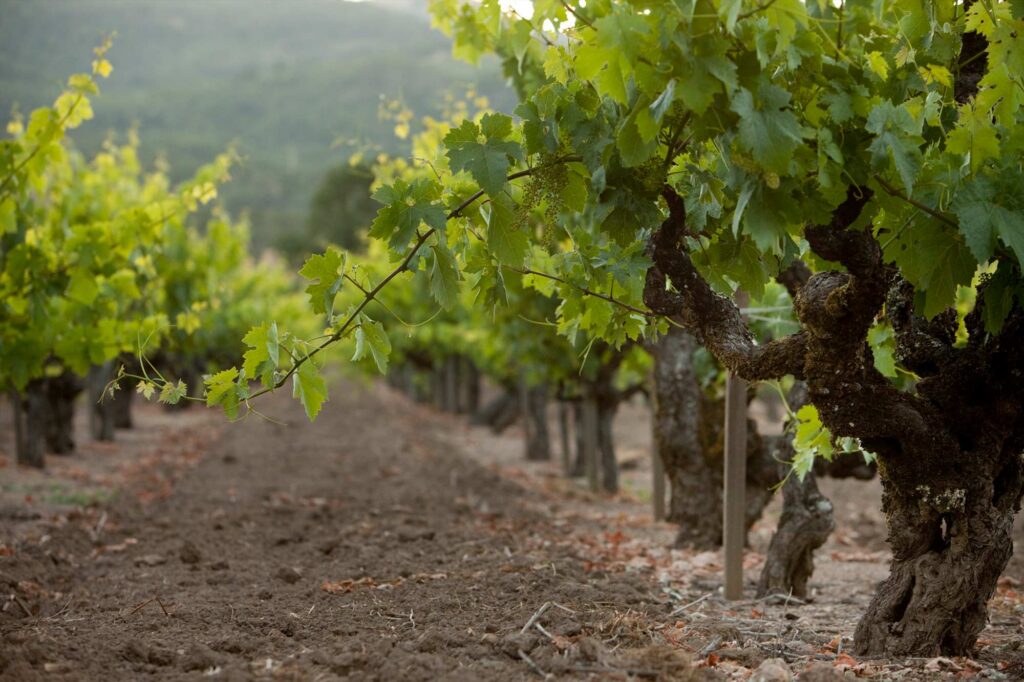
“Old vine” is not a regulated term, so we set our own rule: a minimum age of 50 years. Our Old Vine Zinfandel goes further, coming from vineyards with an average age closer to 75 years. The fruit comes from a collection of our estate vineyards plus heritage grower sites across Alexander Valley, Dry Creek Valley, and Russian River Valley, with some of the oldest blocks dating back to 1926.
Many of the vineyards we source from are head-trained old vine plantings that must be farmed and harvested by hand. Yields are low, and the quality of the old vine fruit we farm elevates the profile of many of our signature Zinfandels.
Old Vine Zinfandel, Sonoma County. Zinfandel from vines at least 50 years old, averaging closer to 75. Estate vineyards and heritage grower sites in Alexander Valley, Dry Creek Valley, and Russian River Valley. Oldest blocks planted 1926. Wine: Old Vine Zinfandel.
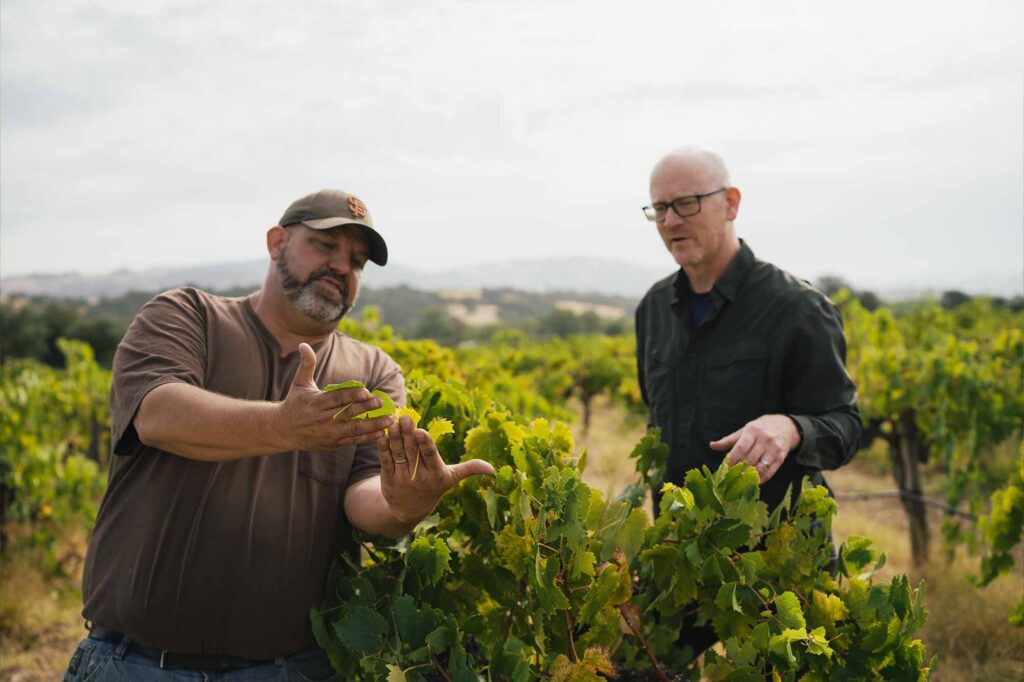
The Seghesio family planted Chen’s Vineyard in 1972, led by Ted Seghesio and his father, Ed. At 54 years old in 2026, the vines clear our 50-year line for old vine. Summer mornings here are shrouded in fog, which helps with even ripening and the development of elegant structure and complex flavors, and afternoon marine breezes cool the grapes.
The soils are primarily a gravelly loam called Cortina, which gives our Cortina Zinfandel its name. A few blocks of sandy soil along the creek, which we affectionately call “Sand Point,” yield wine with exceptional aromatics, fresh acidity, bright fruit, and intensely complex phenolics. The vineyard covers 45 acres, all Zinfandel, and it is the heart of Cortina Zinfandel.
Chen’s Vineyard, Dry Creek Valley. Zinfandel planted 1972 by the Seghesio family. 45 acres. Wine: Cortina Zinfandel, which draws its core from this vineyard.
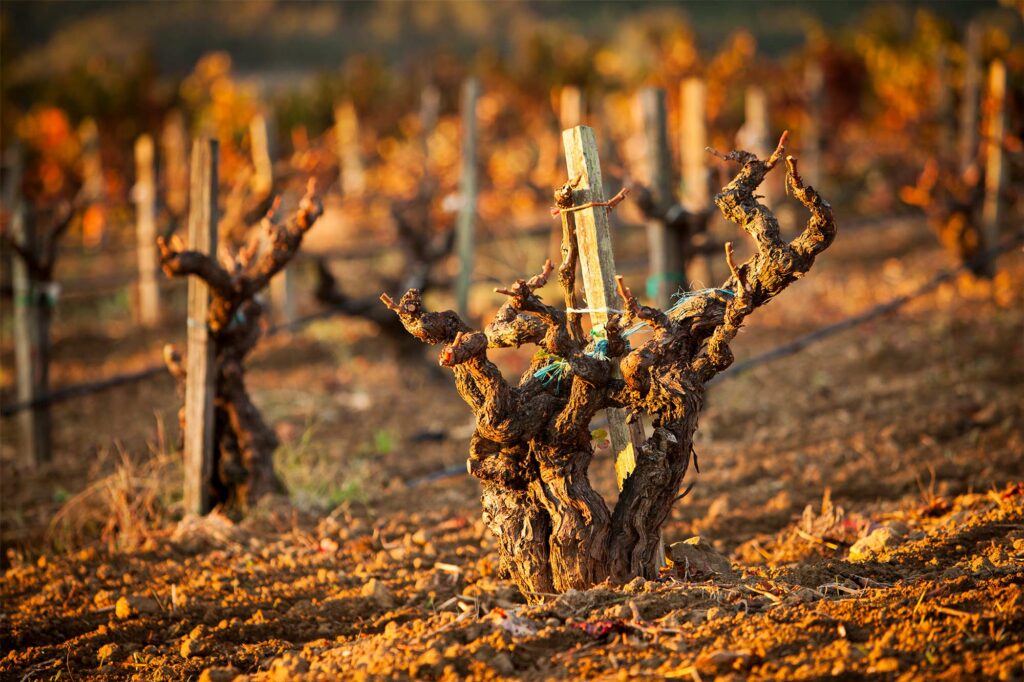
Planted in 1926, these vineyard blocks are some of the oldest in Dry Creek Valley and are farmed by fourth-generation members of the Saini family. The Seghesio and Saini families have a long and rich history of working together over four generations. Our Saini Farms Zinfandel is sourced mainly from old vine blocks on the Dry Creek bench, which is gravelly clay loam with a striking red color and exceptional drainage that stresses the vines, encouraging concentration and structure in the wine.
Saini Farms, Dry Creek Valley. Zinfandel planted 1926. Farmed by the Saini family. Wine: Saini Farms Zinfandel.
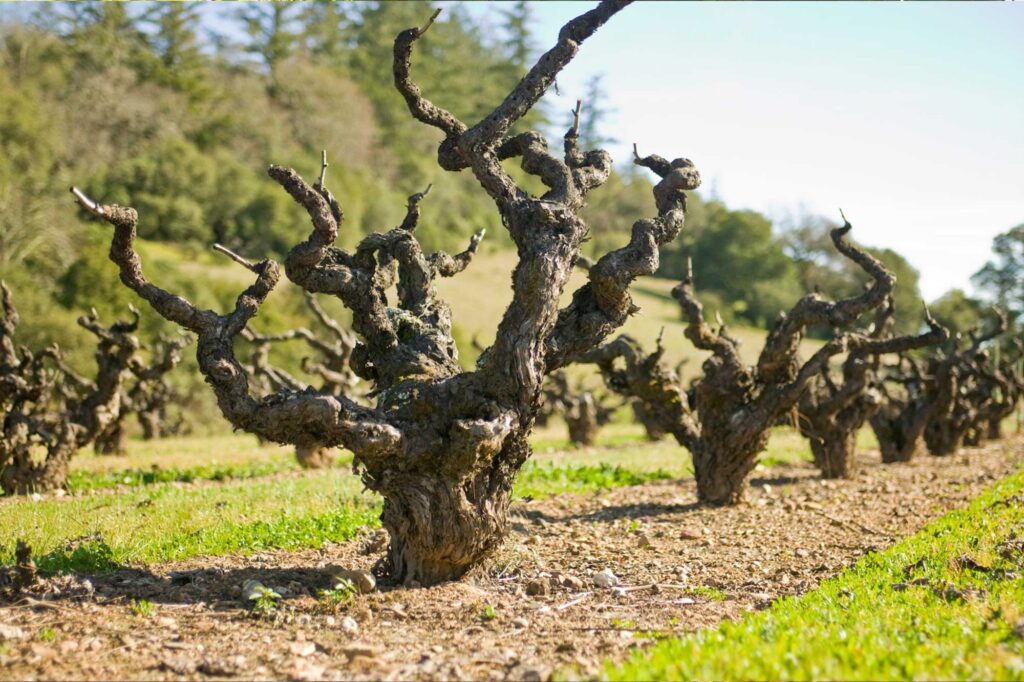
Planted in 1926, Montafi Ranch Vineyard is a rare gem on the eastern bench of the Santa Rosa plains in northern Russian River Valley, where most of the old vine Zinfandel vineyards have been uprooted and replanted with other varieties. We purchased the vineyard in 2011 in large part to make sure these vines would stay in the ground.
We are now the guardians of these ancient Zinfandel vines, planted in a traditional field blend with Alicante Bouschet and other traditional mixed black varieties. Small clusters and low yields from these deep-rooted, head-trained vines exemplify character and complexity. The vineyard covers 21 acres (99% Zinfandel, 1% Alicante Bouschet).
Montafi Ranch Vineyard, Russian River Valley. Zinfandel and Alicante Bouschet field blend planted 1926. 21 acres. Owned by Seghesio since 2011. Wine: Montafi Zinfandel.
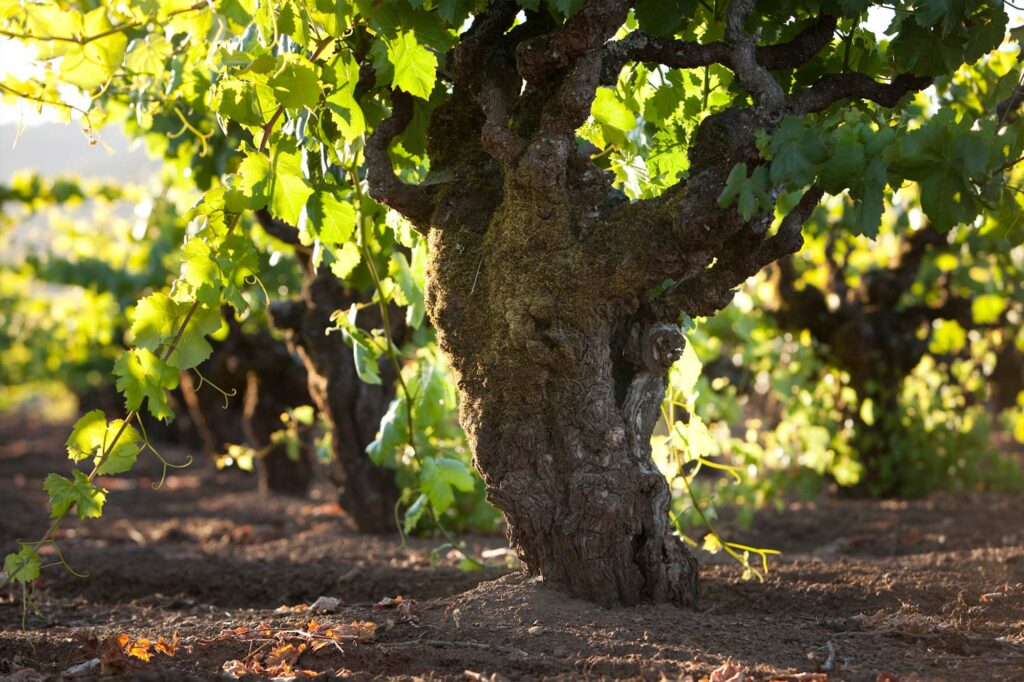
Pagani Ranch lies along Highway 12 near the town of Kenwood in the Sonoma Valley AVA and was once part of the Wildwood Dairy Farm. Most of the 30-acre site was planted by 1922 and is tended by fourth-generation members of the Pagani family. The vines are rooted in gravelly clay loam on rolling, east-facing slopes. The gnarly, head-trained, dry-farmed old vine Zinfandel blocks are interspersed with Alicante Bouschet and planted in narrow rows better suited to horses than tractors. Most of the farming is done by hand.
Pagani Zinfandel is a final release. When the current wine sells out, we will not make it again.
Pagani Ranch Vineyard, Sonoma Valley. Zinfandel and Alicante Bouschet, most blocks planted by 1922. 30 acres. Farmed by the Pagani family. Wine: Pagani Zinfandel (final release).
Todd Brothers Ranch was planted in 1958 in the hills above Geyserville. Thick, head-trained vines wind up a steep slope of shallow, red volcanic soil that limits yields and increases concentration in the small berries these vines struggle to produce. The refined intensity and opulent structure are hallmarks of this vineyard, which is farmed today by third- and fourth-generation members of the Todd family.
Todd Brothers Zinfandel is a final release. When the current wine sells out, we will not make it again.
Todd Brothers Ranch, Alexander Valley. Old vine Zinfandel planted 1958. Farmed by the Todd family. Wine: Todd Brothers Zinfandel (final release).
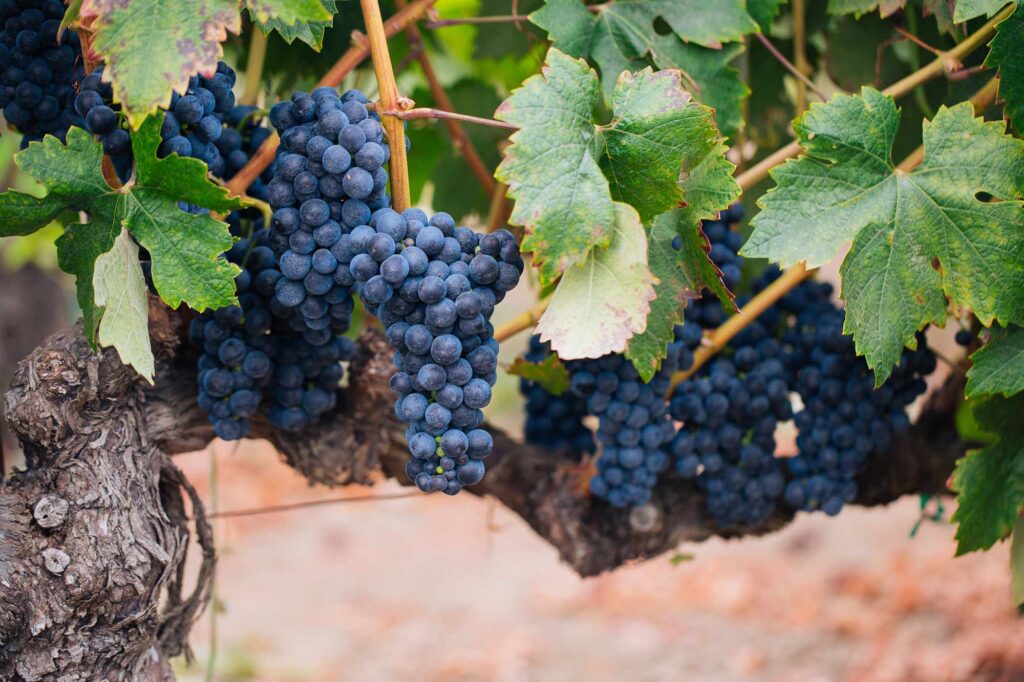
Three other Seghesio vineyards are younger than our 50-year standard and are not part of this register: Rattlesnake Hill Estate Vineyard (planted 1995 on the Home Ranch site, after a seven-year project propagating Sangiovese clones selected from the original Chianti Station block), Rockpile AVA (1992), and Keyhole Ranch (2008).
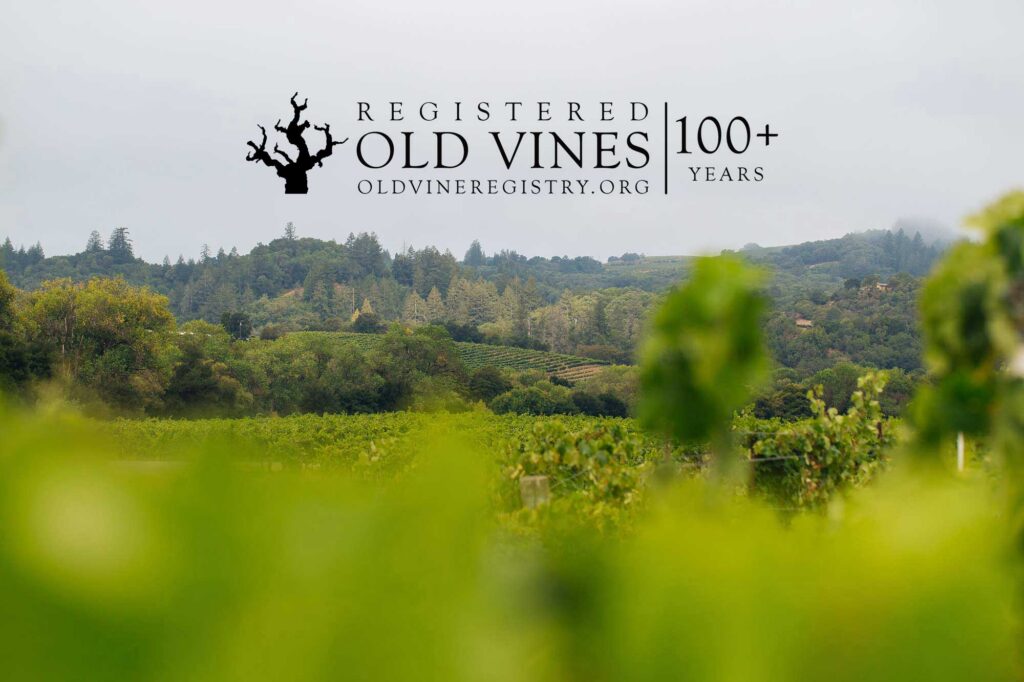
The Old Vine Registry is a public, not-for-profit database of vineyards more than 35 years old. On , it launched the OVR Seal, which lets registered producers show a vineyard’s documented old vine status on wine labels, tasting menus, websites, and other marketing. Seghesio is an early adopter and launch partner of the seal.
A wine qualifies for the seal when at least 85% of its grapes come from vineyards registered in the Old Vine Registry, at one of five age tiers: 35+, 50+, 75+, 100+, or 150+ years. The seal confirms that a vineyard of a specific age has been recorded in the Registry and that a wine’s grapes meet the sourcing and age threshold shown on the seal. It does not certify wine quality, sustainability, or farming practices.
“We’re honored to be among the first wineries to adopt the Old Vine Seal and believe it will help consumers better understand the value for our old vine wines. As stewards of 131-year-old vines, we know how vital it is to preserve these historic vineyards and share the stories behind them. We look forward to putting the seal on our labels, tasting room menus and website to help tell that story.”
Andy Robinson, Winemaker, Seghesio Family Vineyards.
Read more: the OVR Seal program, the Old Vine Registry press release, and Alder Yarrow’s interview with The Buyer.
At Seghesio’s Chianti Station Estate Vineyard in Alexander Valley, planted in 1910. The vines are a Sangiovese field blend interplanted with small quantities of Canaiolo Nero, Malvasia, and Trebbiano.
“Old vine” is not a regulated term, so we use our own standard: vines at least 50 years old. Our Old Vine Zinfandel comes from vineyards with an average age closer to 75 years.
Home Ranch (1895), Chianti Station (1910), Pagani Ranch (most blocks by 1922), Montafi Ranch (1926), and Saini Farms (1926).
The heart of Cortina Zinfandel comes from Chen’s Vineyard in Dry Creek Valley, planted by the Seghesio family in 1972.
A seal from the Old Vine Registry that shows a wine is made with at least 85% of its grapes from registered old vine vineyards, by age tier. Seghesio is an early adopter and launch partner.
Our tasting room is in downtown Healdsburg. See the visit details below.
Taste the wines from these vineyards at the Seghesio Family Vineyards tasting room, 700 Grove Street, Healdsburg, CA 95448. We are open daily from 10:30 a.m. to 4:00 p.m., and closed on New Year’s Day, Thanksgiving Day, Christmas Eve, and Christmas Day. Reservations are recommended for most tastings, and you can call 707-433-3579 for same-day reservations.
Book your Seghesio experience or see all tasting experiences.